
Spiritual Cleansing for Everyday Clarity and Inner Peace

Updated: Oct 5
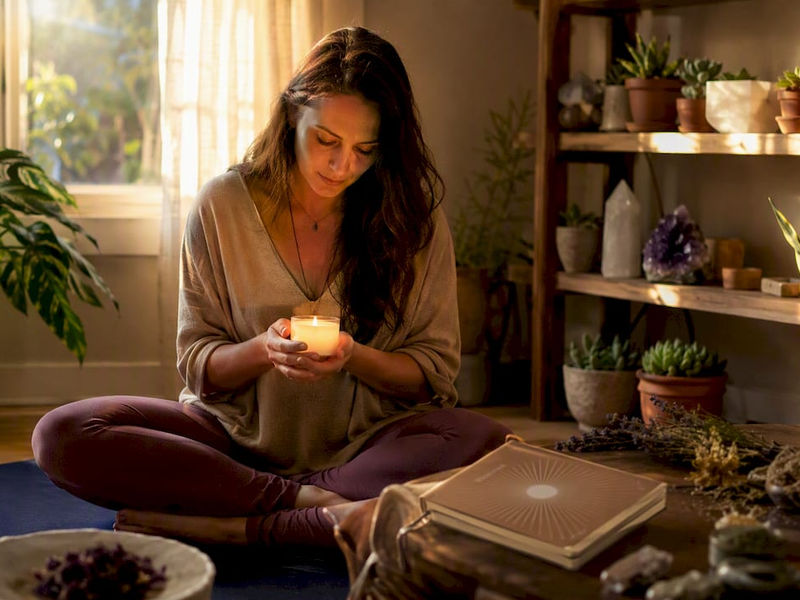
Spiritual cleansing is the intentional practice of clearing heavy or stagnant energy so you can return to a state of calm, clarity, and inner balance. If you want to try it right now, here are three things you can do in the next ten minutes:
Open a window and breathe. Stand near it, inhale slowly for four counts, hold for four, exhale for six. Do this for two minutes with the simple intention: I am releasing what no longer serves me.
Salt your space. Place a small bowl of sea salt in the corner of a room you spend the most time in. No smoke, no special tools required.
Write it out. Take five minutes to journal one thing you are carrying that feels heavier than it should. Name it, then write: I am ready to let this go.
These practices are meant to support your spiritual path. They are not a substitute for medical or mental health care, and they work best alongside whatever conventional support you already have.
Pro Tip: You do not need to believe in any specific spiritual tradition for these practices to offer relief. Ritual creates focused attention, and focused attention shifts how you feel.
Book through the free Spine App: searching and messaging cost nothing, and you book and pay in one step. Get it on App Store · Google Play
Table of Contents
What spiritual cleansing actually does and why intention is the key
Spiritual cleansing is the deliberate act of clearing energy that feels heavy, stuck, or draining, with the goal of restoring a sense of lightness and presence. It appears across traditions worldwide, from Indigenous smudging ceremonies to Ayurvedic purification rites to Christian prayer rituals, yet the common thread is not the tool used but the intention behind it.
Tools like smoke, water, sound, and salt are supportive. They give your mind and body a sensory anchor for the work. But the active element is your focused attention, the clear inner statement of what you are releasing and what you are inviting in. Without that, even the finest white sage is just burning leaves.
Ritual benefits are accessible even to people who do not hold spiritual beliefs. When you perform a deliberate, repeated act with clear intention, you engage the same nervous-system pathways involved in emotional regulation and directed attention. The symbolic framework of spiritual practice gives the mind permission to let go of what it has been holding.
For skeptical readers, this framing matters. You do not need to believe in mystical energy fields to notice that a cleansing ritual can quiet mental noise and create a felt sense of renewal. If you want to read more about approaching this from a grounded, rational place, spiritual healing for skeptics offers a useful starting point.

Signs you might benefit from an energy clearing
There is no single threshold that tells you it is time to cleanse. But certain patterns tend to signal that stagnant energy has built up and that a ritual for purification could help you reset.
You feel a persistent heaviness that sleep and rest do not lift.
Certain places or people leave you feeling drained in a way that lingers for hours.
You are more reactive than usual, snapping at small things or crying without a clear reason.
You feel disconnected from yourself, going through the motions without any real sense of presence.
Regular self-care practices, like exercise, meditation, or time in nature, no longer ease the discomfort the way they used to.
You sense that something is “off” in your home or a space you frequent, even when nothing has visibly changed.
During a deeper spiritual detox, you may also notice emotional volatility, physical fatigue, or shifts in your relationships. Practitioners describe this as a purging phase, a sign that something is actively moving. It can feel uncomfortable. If the intensity becomes destabilizing or you feel unsafe, that is a signal to seek additional support, whether from a trusted practitioner, a therapist, or both. The signs you need spiritual healing guide goes deeper if any of these resonate.

Three step-by-step cleanses you can do today
1. Breathwork with intention (5 minutes)
Sit comfortably with your feet flat on the floor.
Close your eyes and take three slow, deep breaths to arrive in the moment.
Set your intention aloud or silently: I am clearing what is heavy. I am making space for clarity.
Inhale for four counts, hold for four, exhale for eight. Repeat for three to five minutes.
On the final exhale, imagine the heaviness leaving your body with the breath.
Sit quietly for one minute. Notice how you feel.
Safety note: If you feel lightheaded, return to normal breathing immediately.
2. Visualization cleanse (5–10 minutes, no smoke required)
This is a strong option for apartments, shared spaces, or anyone with respiratory sensitivities.
Sit or lie down in a quiet spot.
Close your eyes and picture a warm, golden light entering through the top of your head.
Let it move slowly through your body, from your head to your feet, dissolving any areas of tension or darkness as it goes.
Imagine the light expanding outward from your body to fill the room around you.
When you feel ready, set an intention to fill the cleared space: I invite in calm, clarity, and ease.
Practitioners who work with energy clearing often teach this “bubble of light” technique as a daily practice, not just a one-off ritual.
3. Spiritual bathing or cleansing shower ritual (10–15 minutes)
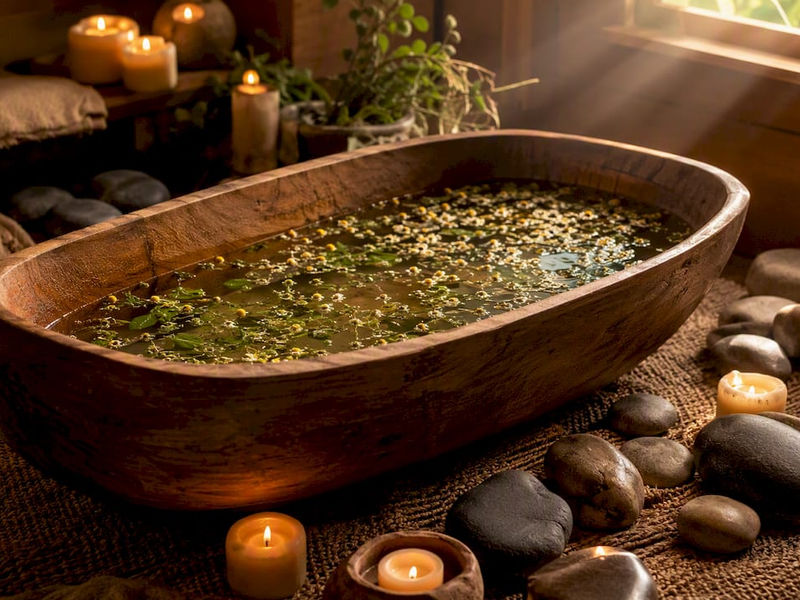
Spiritual bathing traditions, including limpias and plant baths from Latin American and Caribbean lineages, combine water, plant medicine, and prayer. You can adapt the core elements respectfully for solo practice.
Add a handful of sea salt and a few drops of lavender or eucalyptus essential oil to a warm bath, or prepare a cup of strong herbal tea (lavender, rosemary, or chamomile) to pour over yourself in the shower.
Before you step in, state your intention clearly.
As you bathe, imagine the water drawing out what you are carrying and carrying it safely down the drain.
After drying off, sit quietly for a few minutes. Drink a glass of water.
Safety note: Test essential oils on a small patch of skin first. Keep candles away from water and never leave them unattended.
Pro Tip: Immediately after any cleanse, do something that actively fills the space you just cleared: make a cup of tea you love, put on music that lifts you, or write one sentence about what you want to feel more of. Clearing without intentional refilling tends to let the same patterns drift back in.
What tools people use and how to choose safe, ethical alternatives
Common materials used in spiritual cleansing practices include:
White sage: Burned as smudge to clear energy from a space or person. Deeply sacred in many Native American traditions.
Palo santo: A South American wood burned for purification and grounding.
Dried herbs: Lavender, rosemary, cedar, and mugwort are widely used and more sustainably available than white sage.
Sea salt: Used in baths, placed in bowls, or sprinkled at thresholds to absorb heavy energy.
Candles: Used to set intention and mark the ritual space.
Sound instruments: Singing bowls, bells, and hand drums are used to shift the energy of a space through vibration.
Essential oils: Diffused or added to baths; common choices include frankincense, cedarwood, and lavender.
Smoke-free and low-cost alternatives:
Tool | Smoke-free alternative |
Sage smudge | Lavender or rosemary spray (water + essential oil) |
Palo santo | Cedarwood or sandalwood essential oil in a diffuser |
Incense | Sound clearing with a singing bowl or bell |
Candle flame | Natural daylight or a salt lamp |
Herbal bath | Chamomile or lavender tea added to bathwater |
Sourcing guidance for U.S. readers: White sage is overharvested in parts of California and the Southwest. Prefer suppliers who source from cultivated plants and state their harvesting practices. Many independent herbalists and small farms on platforms like Etsy or local farmers’ markets offer sustainably grown alternatives. Avoid bulk discount sources that do not disclose origin.
Pro Tip: If you are drawn to a practice from a culture that is not your own, spend time learning its lineage before using its sacred materials. Lavender, rosemary, and cedar are widely available, culturally accessible, and just as effective for personal energy clearing.
How to prepare a sacred space and set a clear intention
The container matters as much as the practice. A few minutes of preparation can deepen the effect of any ritual.
Physical preparation checklist:
Tidy the space. Clutter holds stagnant energy; a clear surface supports a clear mind.
Open a window or door briefly to let fresh air move through.
Dim artificial lighting or light a candle if it is safe to do so.
Place any objects you are using (salt, a bowl, a crystal, a journal) where you can reach them easily.
Turn off notifications on your phone.
Setting your intention:
You do not need religious language. A clear, honest sentence is enough. Some examples you can adapt:
I am releasing the weight I have been carrying from this week.
I am clearing this space of any energy that does not belong here.
I am making room for clarity, rest, and peace.
Grounding before you begin:
Press both feet flat on the floor. Feel the ground beneath you. Take three slow, deep breaths. This simple act of grounding anchors you in your body before you begin any ritual, and it takes less than a minute.
Pro Tip: Write your intention on a slip of paper before you start. Reading it aloud at the beginning and end of the ritual creates a clear opening and closing, which helps your nervous system register the practice as complete.
How often to cleanse and ways to make it a daily habit
There is no single recommended frequency. What practitioners consistently suggest is a layered approach: small daily practices, a weekly refresh, and a deeper seasonal or monthly ritual when life calls for it.
A sample weekly rhythm that fits a busy life:
Morning (2 minutes): Stand at an open window, take five deep breaths with intention, and set one clear intention for the day.
Evening (5 minutes): A brief visualization or a salt foot soak to release the day before sleep.
Weekly (10–15 minutes): A cleansing shower or bath ritual with herbs or salt, followed by journaling.
Monthly: A fuller ritual, perhaps a deeper breathwork session, a space clearing with sound or spray, and a review of what you are ready to release.
The key is consistency over intensity. A two-minute morning practice done daily does more for your energetic hygiene than an elaborate ritual done once a month and then forgotten. For practical daily maintenance ideas, spiritual hygiene as a daily practice is worth reading alongside this guide.
One often-overlooked piece of maintenance is boundary work. Saying a clear “yes” to what nourishes you and a clear “no” to what drains you is one of the most effective ways to keep cleared energy from refilling with the same heaviness. Without that discernment, even the most thorough cleanse tends to unravel within days.
Safety, ethics, and cultural sensitivity: what to watch for
Practical safety checklist
Never leave burning sage, palo santo, or candles unattended.
Use a fire-safe container (ceramic, abalone shell, or cast iron) to catch ash and embers.
Keep a small bowl of water nearby when burning anything.
Ventilate the space: open a window before and during smoke-based practices.
Check smoke detectors before smudging in an enclosed space.
If you have asthma, respiratory sensitivities, or are pregnant, use smoke-free alternatives.
Test essential oils on skin before adding them to a bath.
Ethical sourcing and cultural respect
Using a sacred practice from another culture is not inherently wrong, but it carries a responsibility. Learn where the practice comes from, who holds it, and whether it is being shared openly or appropriated from a closed ceremony. Choosing a culturally informed guide or teacher for specific ceremonial forms is not just respectful — it makes the practice more meaningful and more effective.
White sage and palo santo are both at risk from overharvesting driven by commercial demand. Choosing sustainably cultivated alternatives, or learning from practitioners within the traditions that hold these plants as sacred, is a meaningful act of respect. For support navigating intense clearing experiences, energy healing and nervous system support offers grounded guidance.
When a guided session with a practitioner may help you
Self-practice is a powerful starting point. But some of what you are carrying is too layered for a solo ritual to reach, and that is not a failure. It is simply a signal that deeper support may be the right next step.
Situations where guided support tends to help:
The heaviness or disconnection has persisted for weeks despite regular self-care.
You are moving through grief, trauma, or a major life transition.
A cleanse triggered an intense purging experience that felt destabilizing.
You want to work with a specific modality, like Reiki, shamanic practice, or chakra work, but do not know where to start.
You feel drawn to community and shared ritual rather than solo practice.
Questions to ask a practitioner before booking:
What modalities do you work with, and how do you structure a session?
What should I do to prepare, and what aftercare do you recommend?
Have you worked with people carrying what I am describing?
How do you handle it if a session brings up something intense?
Do you offer any follow-up support after a session?
Spiritual Network is a directory where you can search for energy workers, Reiki practitioners, shamanic guides, and holistic healers, both online and near you. The free Spine App lets you describe what you are going through in your own words and find practitioners and resources that fit your situation. Practitioners are discovered through the platform; they are not endorsed or verified by Spiritual Network. Verification is optional, and verified profiles show a blue check. For a broader sense of what spiritual support can look like, what spiritual support looks like is a helpful read.
Key Takeaways
Intention is the active element in any spiritual cleansing practice: choose one accessible method, set a clear intention, and build consistency through small daily acts rather than occasional elaborate rituals.
Point | Details |
Intention over tools | Focused intention is what makes a cleanse work; tools like sage, salt, and sound are supportive, not required. |
Start with one practice | Pick breathwork, a visualization, or a cleansing bath and do it today, in ten minutes or less. |
Daily maintenance matters | Two-minute morning practices done consistently support your energy more than monthly deep cleanses alone. |
Boundary work sustains the clearing | Saying “yes” and “no” with discernment keeps cleared energy from refilling with the same heaviness. |
Spiritual Network for guided support | When self-practice is not enough, Spiritual Network connects you with energy workers, Reiki practitioners, and holistic guides online or near you. |
Spiritual Network can connect you with the right guide

Sometimes what you are carrying asks for more than a solo ritual can offer. Spiritual Network is a global directory of energy workers, Reiki practitioners, shamanic guides, intuitive healers, and holistic practitioners, available online or close to home. Whether you are looking for a single session to go deeper after a personal cleanse, a workshop to learn a new practice, or a retreat to reset fully, the platform gives you a place to search without having to know exactly what you need before you start.
The free Spine App is where the connection happens. Describe what you are going through in your own words, and it surfaces practitioners, events, podcasts, and audio guidance that fit your situation. No long intake forms, no pressure. Just a quiet doorway to the kind of support that conventional care often cannot reach.
These practices are meant to accompany your path, not replace any medical or mental health care you are receiving. Start where you are. Visit Spiritual Network to find a practitioner or explore what is available near you.
FAQ
How do you do a spiritual cleanse?
Choose one accessible method, such as breathwork, a visualization, or a salt bath, set a clear intention before you begin, and close the practice with a moment of stillness. The most important element is your focused intention, not the tools you use.
What materials are used for spiritual cleansing?
Common materials include white sage, palo santo, dried herbs like lavender and rosemary, sea salt, candles, sound instruments, and essential oils. Smoke-free alternatives such as herbal sprays, salt baths, and sound clearing work just as well for many people.
How do you do a spiritual cleanse at home without smoke?
Open a window, then choose a smoke-free method: the “bubble of light” visualization, a 10–15 minute salt or herbal bath or cleansing shower, or a sound clearing with a bell or singing bowl. Set your intention before you begin. For many people these methods work just as well as smoke, are safe in shared spaces and suit anyone with asthma or other respiratory sensitivities.
What does the Bible say about spiritual cleansing?
The Bible references purification through water, prayer, and repentance across both Testaments. Psalm 51 is one of the most cited passages, with the line “Wash me thoroughly from my iniquity, and cleanse me from my sin” expressing a direct plea for inner purification.
What psalm is for spiritual cleansing?
Psalm 51 is widely referenced for spiritual cleansing, written as a prayer of repentance and renewal. Many people use it as a spoken intention or meditation at the start of a purification ritual, regardless of their broader religious practice.
Where can I find someone to guide a spiritual cleansing?
You can find energy workers, Reiki practitioners, shamanic guides and intuitive healers who offer guided clearing sessions on Spiritual Network, a worldwide directory of holistic practitioners, online or near you. In the free Spine App you describe what you want to clear in your own words and see matching practitioners, workshops and retreats. Before booking, ask about their modalities, preparation and aftercare; a blue checkmark shows voluntary verification, not a recommendation.
This article is general information, not medical or mental health advice. For persistent distress or intense experiences during a cleanse, please consult a qualified healthcare professional or licensed therapist alongside any spiritual practice.
About Spiritual Network
Spiritual Network connects you with spiritual healers, energy workers and holistic guides worldwide, online or near you. Through the free Spine App you find them, message them, and book and pay for sessions directly. Founded by Sylvia Leifheit.
Written by the Spiritual Network Editorial Team.
Book through the free Spine App: searching and messaging cost nothing, and you book and pay in one step. Get it on App Store · Google Play
Comments