
Online Spiritual Healing: What It Is and What to Expect

Updated: 1 day ago

What is online spiritual healing?
Online spiritual healing is a form of spiritual or energy-based support offered through virtual means, such as video calls, phone sessions, or guided remote practices. Many practitioners understand this work as a way to support emotional, mental, and spiritual well-being without needing to be in the same physical room. Depending on the modality, a session may include intention, meditation, prayer, visualization, Reiki, breathwork, or chakra-focused guidance.

What makes this different from a phone call with a friend or a therapy session is the spiritual framework underneath it. Practitioners work with energy, intention, and presence rather than conversation alone. The session might include breathwork, visualization, sound, or silent transmission, depending on the modality and the healer.
Online spiritual healing sits alongside conventional care, not in place of it. It makes no medical claims and offers no diagnoses. What it does offer is a kind of support that many people find missing after doctors and therapists have done what they can: attention to what you are carrying at a deeper level, the grief that lingers, the exhaustion that sleep does not fix, the restlessness without a name.
Energy-based support can be offered remotely, without physical contact
Sessions support emotional, mental, and spiritual balance
Common modalities include Reiki, chakra balancing, sound healing, and shamanic work
Sessions are complementary to, never a replacement for, medical care
Spiritual Network and the free Spine App connect seekers with practitioners offering virtual sessions
Table of Contents
What types of spiritual healing practices are available online?
How are online spiritual healing sessions actually conducted?
What can you expect during an online spiritual healing session?
How to prepare for your first online spiritual healing session
How to choose the right online spiritual healer for your needs
What types of spiritual healing practices are available online?
Many traditional healing modalities translate naturally to virtual formats, because most of them never depended on physical touch to begin with. The practitioner’s intention and the client’s openness do the work, and both travel through a screen without losing anything essential.
Reiki: A Japanese energy healing practice where the practitioner channels universal life energy toward the client. Reiki has been offered remotely for decades, using symbols and intention to direct energy across distance.
Chakra balancing: Practitioners assess and work with the body’s energy centers, guiding the client through visualization and breathwork to release blockages and restore flow.
Aura cleansing: Focused on clearing stagnant or heavy energy from the energetic field surrounding the body. Clients often report feeling lighter or more settled after a session.
Sound healing: Uses instruments like singing bowls, tuning forks, or vocal toning, transmitted through audio during a video call. The vibrations carry through speakers or headphones with real effect.
Shamanic healing: Practitioners journey on behalf of the client, working in non-ordinary states of consciousness to retrieve energy, release burdens, or restore spiritual wholeness.
Therapeutic touch: An intentional practice of directing healing energy, adapted for virtual delivery through guided visualization and focused presence.
Intuitive guidance: Some healers combine energy work with spiritual insight, reading what they sense in the client’s field and offering reflection alongside the energetic session.
The breadth here matters. If one modality does not resonate, another might. Your path is your own, and the range of virtual spiritual guidance available today means you can find something that fits how you experience the world.
How are online spiritual healing sessions actually conducted?
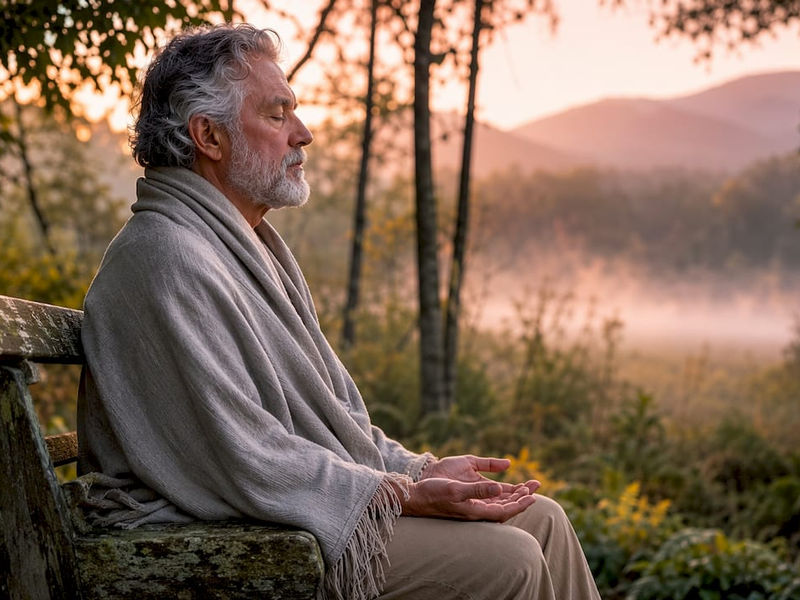
The structure of a virtual session follows the same essential arc as an in-person one. What changes is the setting, not the substance. Practitioners use video calls or phone connections to establish visual and auditory contact, and that live presence turns out to matter more than most people expect. Seeing a client’s breathing, posture, and subtle shifts in expression gives a practitioner real-time information that traditional distant healing, done without any live interaction, cannot provide.
A typical session moves through several phases:
Opening check-in: The practitioner and client connect, discuss what the client is carrying, and set a shared intention for the session.
Grounding: Both parties settle into a calm, receptive state, often through guided breathing or a short meditation.
Energy transmission: The practitioner focuses intention and works with the chosen modality, whether Reiki, sound, chakra work, or another practice. The client rests quietly, often with eyes closed.
Closing conversation: The session ends with a brief exchange about what arose, what the client noticed, and any guidance the practitioner offers.
Clients can keep video on or off during the transmission phase, whichever supports deeper relaxation. Many practitioners encourage turning the camera off once the initial check-in is complete, allowing the client to settle more fully into a meditative state. Optional tools like visualization prompts, sacred symbols, breathwork cues, or prayer may be woven in depending on the practitioner’s approach.
Pro Tip: Create a dedicated space before your session: dim the lights, silence your phone, and have a blanket or pillow nearby. The more comfortable and undisturbed your environment, the more openly you can receive.

What benefits can online spiritual healing offer you?
The benefits people report from virtual spiritual healing sessions span emotional, mental, and spiritual dimensions. Research on remote energy healing is still limited, but client feedback consistently points toward relaxation, mental clarity, and a sense of emotional release as the most commonly experienced effects. These are not small things. For someone carrying grief or exhaustion that conventional care has not touched, even a single session of genuine stillness and focused support can shift something.
Emotional relief: Many people report reduced anxiety, a softening of grief, and greater emotional clarity after sessions. The focused attention of a practitioner, combined with the meditative state of the session itself, can open space for feelings to move.
Mental calm: Clients often describe a quieting of mental noise, a sense of being less caught in repetitive thoughts, that persists for hours or days after a session.
Spiritual connection: Sessions can deepen your sense of connection to yourself, to something larger, and to a sense of purpose or direction on your path.
Physical sensations: Warmth, tingling, or a feeling of heaviness lifting are commonly reported. Not feeling anything physical is equally fine and does not mean the session had no effect.
Convenience and privacy: Receiving support from your own home removes barriers of travel, scheduling, and the vulnerability of being in an unfamiliar space.
Accessibility: For those managing chronic fatigue, mobility limitations, or geographic isolation, virtual sessions open doors that in-person sessions cannot.
Practitioners have also observed that clients staying in their own home environment can often maintain a meditative state longer after a session ends, which may deepen the overall experience. If you are also navigating depression or emotional heaviness, spiritual healing for depression offers additional context on how these practices can support your path alongside professional care.
What can you expect during an online spiritual healing session?
Knowing what to expect can make the difference between arriving open and arriving anxious. The honest answer is that every session is individual, and no two people experience the same thing. What you can count on is a practitioner who is fully present with you, a clear structure, and space to simply be.
Intention setting: The session opens with a conversation about what you are hoping for, what feels heavy, or what you want to release. This is not a clinical intake; it is a human exchange.
Relaxation: You will be guided into a quieter state, usually through breathing or gentle instruction. This is where the session begins to feel different from ordinary conversation.
Sensations during transmission: Warmth, tingling, subtle movements, or a deep sense of stillness are all common. Some people see colors or images. Others simply feel calm. Feeling nothing unusual is also a normal and valid experience.
The transmission phase: This is often the quietest part of the session. You rest while the practitioner works. Some practitioners speak softly throughout; others work in silence.
Closing and integration: The session ends with a return to full awareness, a brief check-in about what you noticed, and sometimes guidance for the days ahead.
Sessions typically run 45 minutes to 90 minutes, though this varies by practitioner and modality. The closing conversation is not an afterthought; it is where much of the meaning of the session can surface.
How to prepare for your first online spiritual healing session
Preparation is less about doing everything right and more about creating the conditions for openness. You do not need to arrive with a perfectly quiet mind or a clear spiritual intention. Showing up is enough. A few practical steps can help you settle in more quickly.
Choose a quiet room where you will not be interrupted for the full session duration.
Wear loose, comfortable clothing and have a blanket nearby if you tend to feel cold when still.
Use headphones or good speakers so you can hear the practitioner clearly without straining.
Spend five to ten minutes before the session in quiet breathing or gentle meditation to begin the transition out of daily activity.
Write down one or two things you are hoping to explore or release, even if loosely formed. Intention does not need to be precise to be real.
Have water nearby for after the session. Many people feel the need to drink and ground themselves once it ends.
Pro Tip: Many practitioners offer the option to turn off your video after the initial check-in. If deeper relaxation is your goal, take them up on it. An eye mask and soft personal music can deepen the experience further.
Common misconceptions about online spiritual healing
The most persistent misconception is that virtual sessions are a lesser version of in-person work. They are not. The protocol, the intention, and the energetic connection are essentially the same whether the practitioner is across the room or across the country. What changes is the logistics, not the depth.
“It only works with physical presence.” Energy healing has never required touch. Reiki, shamanic work, and chakra practices have been offered at a distance for as long as they have existed. The screen is not a barrier; it is simply a different kind of bridge.
“If I don’t feel anything, it isn’t working.” Physical sensations during a session are common but not universal. Feeling warmth or tingling is one way the body registers an energetic shift. Feeling calm, or feeling nothing at all, is equally valid.
“It requires specific religious beliefs.” Spiritual healing does not belong to any single tradition. Practitioners come from many backgrounds, and clients bring their own frameworks, or none at all.
“It can replace medical treatment.” Online spiritual healing is a complement to conventional care, not a substitute. It supports what medicine cannot always reach, but it does not treat illness or diagnose conditions.
“The connection through a screen is shallow.” Virtual sessions create what practitioners describe as an in-between space, distinct from both in-person and traditional distant healing, where live visual and energetic contact combine. Many clients find this format surprisingly intimate.
For those navigating grief alongside their spiritual path, grief and bereavement resources offer additional support that can work alongside virtual healing sessions.
How to choose the right online spiritual healer for your needs
Choosing a healer is less like hiring a service provider and more like finding a guide whose way of seeing resonates with yours. There is no single credential that guarantees a good fit. What matters is a combination of clarity, communication, and something harder to name: a sense that this person can hold space for what you are carrying.
Modality alignment: Start with the type of practice that draws you. If Reiki feels right, look for Reiki practitioners. If you are drawn to shamanic work or sound healing, follow that pull.
Session format and technology: Check whether the practitioner uses video, phone, or a dedicated platform, and whether that format works for you practically.
Communication style: A good practitioner communicates clearly before the session about what to expect, respects your pace, and does not pressure you toward a particular belief or outcome.
Confidentiality and ethics: Your experience in a session is personal. A practitioner should make clear how they handle what you share and maintain appropriate boundaries.
Post-session support: Some practitioners offer follow-up notes, integration guidance, or the option to ask questions after the session. This can be especially valuable for first-timers.
Your own resonance: Read their description, listen to how they speak about their work, and notice how you feel. Intuition is a legitimate guide here.
Spiritual Network offers a directory of spiritual healers and energy workers across many modalities, and the free Spine App lets you describe what you are going through in your own words to find practitioners whose approach fits your situation. No practitioner listed is endorsed or verified by Spiritual Network; the platform connects, and you choose.
For a side-by-side view of where to book, we compared six options for energy healing sessions online.
What Spiritual Network and the Spine App offer seekers
Spiritual Network was built for exactly the moment when conventional paths have not been enough. It is a directory and a doorway, connecting people to spiritual healers, energy workers, and intuitive guides who offer virtual sessions across a wide range of modalities.
Breadth of practitioners: The directory spans Reiki, chakra work, shamanic practice, sound healing, intuitive guidance, and more, with practitioners offering online sessions to seekers across the United States and beyond.
The Spine App: The free app lets you describe what you are going through in your own words, without needing to know the right spiritual terminology, and surfaces healers, events, podcasts, and practices that match where you are.
Educational resources: Spiritual Network offers podcasts, articles, and audio guidance for people who want to deepen their understanding between sessions or simply learn at their own pace.
No medical claims: The platform makes no diagnostic or healing-guarantee claims. It honors each seeker’s path and presents spiritual support as what it is: a complement to, not a replacement for, conventional care.
Privacy: Spiritual Network takes data protection seriously. You can review their privacy practices before engaging with the platform.
Ongoing connection: For many people, Spiritual Network becomes a long-term companion on their path, a place to find new practitioners, attend events, and stay connected to a community of like-minded seekers.
The platform does not tell you what to believe or which practice is right for you. It simply opens the door and lets you walk through at your own pace.
Potential risks and limitations of online spiritual healing
Online spiritual healing is generally gentle and low-risk, but approaching it with clear eyes serves you better than approaching it with uncritical enthusiasm. A few real limitations are worth naming.
Technology can interrupt the flow of a session. A dropped connection, audio lag, or poor video quality can pull both practitioner and client out of the meditative state they have built together. Having a backup plan, such as a phone number to call if video fails, is practical and worth discussing with your practitioner beforehand.
Not every practitioner is equally skilled or ethical. Because spiritual healing is not a licensed profession in the United States, there is no regulatory body setting standards. Some practitioners are deeply experienced and genuinely supportive; others are not. Asking questions before booking, reading how a practitioner describes their work, and trusting your own sense of fit are your best protections.
Online spiritual healing is not appropriate as a substitute for mental health crisis support, medical treatment, or emergency care. If you are in acute distress, please reach out to a mental health professional or crisis line first. Spiritual support works best as an accompaniment to life, not a replacement for the care that addresses immediate safety.
Finally, results vary and cannot be guaranteed. Some people feel a profound shift after a single session; others notice subtle changes over time; some feel uncertain whether anything shifted at all. Approaching sessions with openness rather than fixed expectations tends to serve people better, and deepening your practice over time often reveals effects that were not immediately visible.
Spiritual Network is where your path can begin
What you are looking for, whether it is relief from what you are carrying, a deeper connection to yourself, or simply a space where spiritual language is welcome, exists. Spiritual Network connects seekers to a broad directory of energy healers, Reiki practitioners, shamanic guides, and intuitive workers who offer virtual sessions to people across the United States.

The free Spine App makes the first step easier. Describe what you are going through in your own words, and the app surfaces practitioners, events, podcasts, and practices that fit where you are right now. No spiritual vocabulary required. No pressure toward any particular tradition. Just a doorway, and you on the other side of it, ready to take the next step on your path.
Visit Spiritual Network to find a practitioner, explore the Spine App, and discover what kind of support is waiting for you.
FAQ
What is online spiritual healing?
Online spiritual healing is the practice of transmitting healing energy through virtual means, such as video calls or phone sessions, to support emotional, mental, and spiritual well-being. It operates on the principle that energy is not limited by physical distance, allowing practitioners to work with clients remotely using modalities like Reiki, chakra balancing, and sound healing.
Can energy healing really be done virtually?
Yes. Energy healing has been adapted for online delivery using video calls and remote protocols with the same intention and procedures as in-person sessions. Practitioners can observe client cues through live video, and clients commonly experience sensations like warmth or tingling during virtual sessions.
Do you need specific religious beliefs for spiritual healing?
No. Spiritual healing does not belong to any single religious tradition and does not require specific beliefs. Practitioners come from many backgrounds, and clients are welcome to bring their own framework or none at all.
Is spiritual healing a real thing?
Spiritual healing is a real practice with a long history across many cultures, focused on supporting emotional, energetic, and spiritual balance. Scientific evidence on remote energy healing remains limited, though client feedback consistently points toward relaxation and mental clarity as commonly experienced effects.
How do you find a trustworthy online spiritual healer?
Choose a healer who explains their modality and session format before you book, respects your pace, says how they handle what you share, and makes no medical promises. Spiritual Network, a free worldwide directory of healers across many modalities, lets you describe what you are going through in the Spine App and find practitioners who offer online sessions. Profiles with a blue check mark have been voluntarily verified; the platform itself does not recommend or guarantee anyone.
How long does an online spiritual healing session take?
Online spiritual healing sessions typically last 45 to 90 minutes, depending on the practitioner and modality. Most follow four phases: a check-in to set an intention, a short grounding through breath or meditation, a quiet transmission phase in which you rest, often with the camera off, and a closing conversation about what you noticed. Plan for a quiet room, headphones and a glass of water afterwards.
Key Takeaways
Online spiritual healing supports emotional, mental, and spiritual well-being through remote energy transmission, with the same core intention and protocols as in-person sessions.
Point | Details |
Energy crosses distance | Healing energy is not limited by physical space, making virtual sessions as intentional as in-person ones. |
Many modalities work online | Reiki, chakra balancing, sound healing, shamanic work, and aura cleansing all translate to virtual formats. |
Sensations vary | Warmth, tingling, or calm are common during sessions; feeling nothing physical is equally valid and normal. |
Approach it as a complement | Online spiritual healing supports what you are carrying alongside conventional care, never as a replacement for it. |
Spiritual Network connects seekers | The Spiritual Network directory and free Spine App help you find practitioners across modalities for virtual sessions. |
About Spiritual Network
Spiritual Network connects you with spiritual healers, energy workers and holistic guides worldwide, online or near you, through the free Spine App. Founded by Sylvia Leifheit.
Written by the Spiritual Network Editorial Team.
Comments